
Mold Remediation Services and Mold Prevention Tips for a Healthy Home
- Jan 26
- 4 min read
Mold growth in your home or business can pose serious health risks and cause significant property damage. If you notice any signs of mold, it is crucial to act quickly and effectively. Understanding how to prevent mold and knowing when to seek professional help can protect your property and ensure a safe environment. This article will guide you through essential mold prevention tips, explain the mold remediation process, and provide practical advice for maintaining a healthy space.
Understanding Mold and Its Impact on Your Property
Mold is a type of fungus that thrives in damp, warm environments. It reproduces by releasing spores into the air, which can settle on surfaces and grow if moisture is present. Mold can develop on walls, ceilings, floors, and even inside HVAC systems.
Exposure to mold can cause allergic reactions, respiratory problems, and other health issues, especially for individuals with asthma or weakened immune systems. Beyond health concerns, mold can weaken building materials, leading to costly repairs.
Common signs of mold include:
A musty or earthy odor
Visible discoloration or fuzzy patches on surfaces
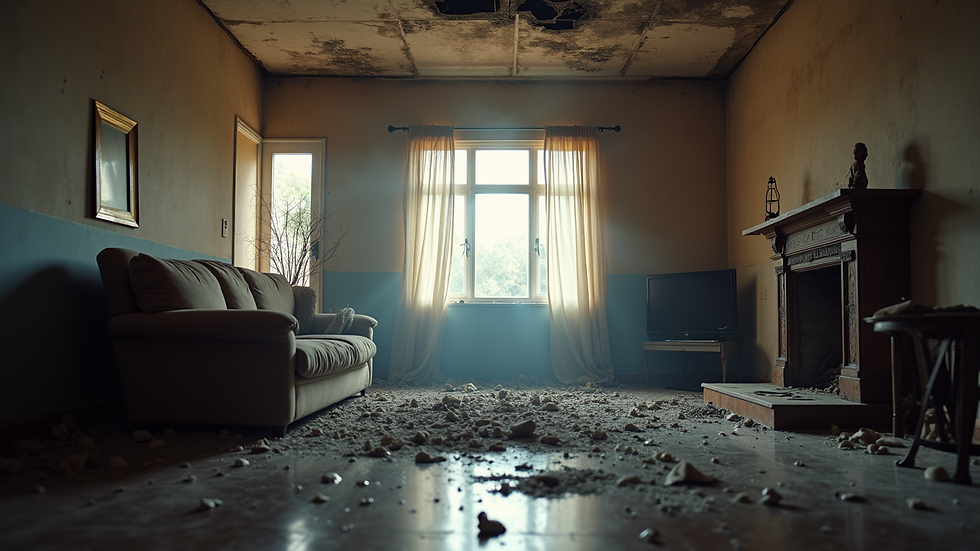
Water stains or damp spots on walls and ceilings
Peeling paint or wallpaper
Early detection and intervention are key to preventing mold from spreading and causing extensive damage.

Mold Prevention Tips to Protect Your Home
Preventing mold starts with controlling moisture. Here are some effective mold prevention tips you can implement immediately:
Control Humidity Levels
Keep indoor humidity below 60%, ideally between 30% and 50%. Use dehumidifiers in damp areas like basements and bathrooms.
Fix Leaks Promptly
Repair leaking pipes, roofs, and windows as soon as you notice them. Even small leaks can create ideal conditions for mold growth.
Improve Ventilation
Use exhaust fans in kitchens and bathrooms to reduce moisture. Open windows when weather permits to increase air circulation.
Dry Wet Areas Quickly
After spills or flooding, dry affected areas within 24 to 48 hours. Use fans and dehumidifiers to speed up the drying process.
Use Mold-Resistant Products
When renovating, consider mold-resistant drywall, paint, and insulation to reduce the risk of mold development.
Keep Gutters Clean
Ensure gutters and downspouts direct water away from your building’s foundation to prevent water seepage.
Monitor Indoor Plants
Overwatering indoor plants can increase humidity and promote mold growth in soil and nearby surfaces.
By following these tips, you can significantly reduce the chances of mold taking hold in your property.

How Much Does It Cost to Get Rid of Mold in a House?
The cost of mold removal varies widely depending on the extent of the infestation, the size of the affected area, and the type of mold present. On average, homeowners can expect to pay between £500 and £6,000 for professional mold remediation.
Factors influencing the cost include:
Inspection and Testing: Identifying the type and extent of mold may require professional testing, which can cost between £200 and £600.
Size of the Affected Area: Larger infestations require more labor and materials, increasing the price.
Type of Mold: Toxic molds like black mold may require specialized removal techniques.
Location of Mold: Mold hidden behind walls or under floors can be more expensive to access and remove.
Repair and Restoration: After mold removal, repairs to damaged materials may add to the total cost.
While DIY mold removal might seem cost-effective, improper handling can worsen the problem or pose health risks. Hiring professionals ensures thorough and safe remediation.
The Mold Remediation Process Explained
When mold is discovered, professional mold remediation services are often necessary to ensure complete removal and prevent recurrence. The process typically involves several key steps:
Assessment and Inspection
Experts inspect the property to identify mold sources, affected areas, and moisture problems.
Containment
To prevent mold spores from spreading, the affected area is sealed off using physical barriers and negative air pressure.
Air Filtration
High-efficiency particulate air (HEPA) filters are used to capture airborne mold spores during remediation.
Mold Removal
Contaminated materials such as drywall, insulation, or carpeting may be removed. Non-porous surfaces are cleaned with antimicrobial treatments.
Drying and Dehumidification
The area is thoroughly dried to eliminate moisture that supports mold growth.
Restoration
Repairs and reconstruction restore the property to its original condition.
Professional remediation not only removes visible mold but also addresses hidden mold and underlying moisture issues, ensuring a healthier environment.
Maintaining a Mold-Free Environment Long-Term
After mold removal, maintaining a mold-free environment requires ongoing vigilance. Here are some practical steps to keep your property safe:
Regular Inspections: Check for leaks, water stains, and musty odors regularly.
Maintain HVAC Systems: Clean and service heating and cooling systems to prevent mold buildup.
Use Moisture Barriers: In basements and crawl spaces, install vapor barriers to reduce ground moisture.
Monitor Humidity: Use hygrometers to track indoor humidity and adjust dehumidifiers accordingly.
Prompt Repairs: Address any water damage or leaks immediately.
Educate Occupants: Ensure everyone understands the importance of moisture control and mold prevention.
By staying proactive, you can protect your investment and ensure a safe, healthy space for years to come.
Taking swift action against mold and implementing effective prevention strategies will safeguard your property and health. If you suspect mold growth, consider contacting mold remediation services to assess and address the problem professionally. Your home or business deserves the best care to remain a safe and comfortable environment.


Comments