
Restore Your Home After Water Damage: How to Fix Water Damage Issues Effectively
- Mar 2
- 4 min read
Water damage can strike unexpectedly, leaving your property vulnerable and in need of immediate attention. Whether caused by a burst pipe, heavy rain, or a faulty appliance, addressing water damage quickly is crucial to prevent further destruction. This guide will walk you through the essential steps to restore your home after water damage and fix water damage issues with confidence and clarity.
Understanding How to Fix Water Damage Issues
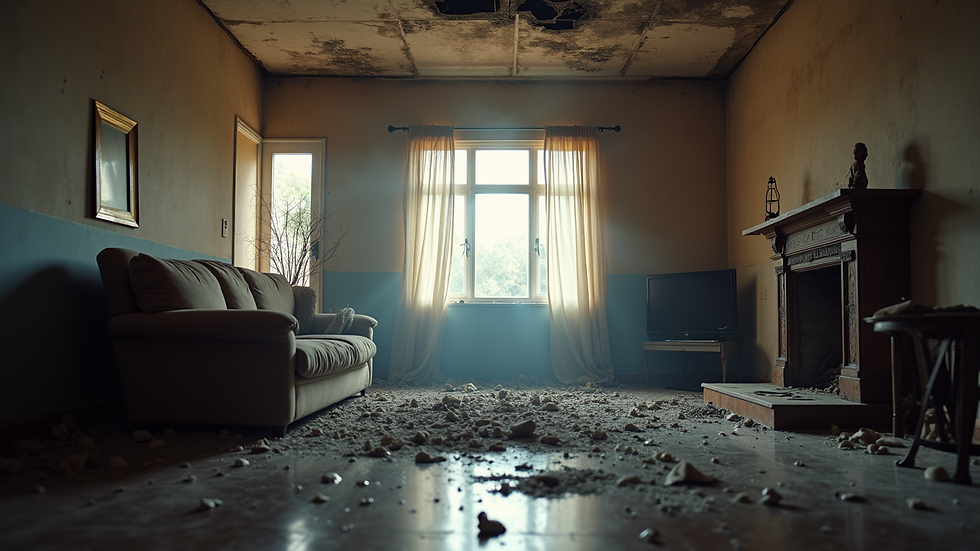
When water invades your home, it can affect everything from your walls and floors to your electrical systems and personal belongings. The first step in fixing water damage issues is to assess the extent of the problem. Look for visible signs such as:
Discoloration or warping of walls and floors
Musty odors indicating mold growth
Peeling paint or wallpaper
Damp or soggy carpets and furniture
Once you identify the affected areas, it’s important to act quickly. Water left standing can seep deeper into materials, causing structural damage and health risks. Start by stopping the source of water if possible. This might mean shutting off the main water valve or fixing a leaking pipe.
Next, remove excess water using pumps, wet vacuums, or mops. Dry the area thoroughly with fans and dehumidifiers to prevent mold growth. Keep in mind that porous materials like drywall and insulation may need to be removed and replaced if they are saturated.

Is Water Damage Restoration Worth It?
You might wonder if professional restoration is necessary or if you can handle the cleanup yourself. The answer depends on the severity of the damage. Minor water issues can sometimes be managed with DIY methods, but larger problems require expert intervention.
Professional water damage restoration services bring specialized equipment and expertise to the job. They can:
Detect hidden moisture using infrared cameras and moisture meters
Safely remove contaminated water and debris
Dry and dehumidify affected areas efficiently
Treat and prevent mold growth
Repair structural damage and restore your home to its pre-loss condition
Investing in professional restoration can save you money in the long run by preventing costly repairs and health hazards. It also ensures that your home is safe and comfortable again as quickly as possible.
The Role of Water Damage Restoration Services
When you hire water damage restoration services, you gain access to a team trained to handle all aspects of water damage recovery. These experts work around the clock to provide emergency response, minimizing the time water has to cause harm.
Their process typically includes:
Inspection and Assessment - Identifying the source and extent of water damage.
Water Removal - Using industrial pumps and vacuums to extract water.
Drying and Dehumidification - Employing air movers and dehumidifiers to eliminate moisture.
Cleaning and Sanitizing - Removing contaminants and disinfecting affected areas.
Restoration and Repairs - Fixing structural damage and restoring your home’s appearance.
This comprehensive approach ensures that no hidden moisture remains to cause future problems. Additionally, professionals can help with insurance claims by documenting damage and providing detailed reports.

Practical Tips to Prevent Future Water Damage
Once your home is restored, taking preventive measures is key to avoiding repeat incidents. Here are some practical tips:
Regularly inspect plumbing for leaks or corrosion.
Clean gutters and downspouts to ensure proper drainage.
Seal cracks in your foundation and walls to prevent water intrusion.
Install a sump pump in basements prone to flooding.
Maintain your roof by repairing damaged shingles or flashing.
Use water alarms near appliances and water heaters to detect leaks early.
By staying proactive, you can protect your property and reduce the risk of costly water damage repairs.
What to Do Immediately After Water Damage
Time is of the essence when dealing with water damage. Here’s a quick checklist to follow immediately after you discover water intrusion:
Ensure safety first - Turn off electricity if water is near outlets or appliances.
Stop the water source - Shut off the main water supply or fix leaks.
Document the damage - Take photos and videos for insurance purposes.
Remove valuables - Move furniture, electronics, and important items to a dry area.
Begin water removal - Use mops, buckets, or wet vacuums to clear standing water.
Ventilate the area - Open windows and use fans to circulate air.
Call professionals - Contact a reputable restoration company for thorough cleanup and repairs.
Following these steps can help you regain control of the situation and reduce long-term damage.
Restoring Your Home with Confidence
Water damage can feel overwhelming, but with the right knowledge and support, you can restore your home effectively. Remember to act quickly, assess the damage carefully, and seek professional help when needed. Using trusted water damage restoration services ensures your property is handled with care and expertise.
By taking preventive steps and responding promptly, you protect your investment and create a safe, healthy living environment. Restoration is not just about fixing what’s broken - it’s about restoring peace of mind and comfort to your home.
Stay vigilant, stay prepared, and know that recovery is possible. Your home can bounce back stronger after water damage with the right approach and resources.


Comments